Flannel Fabric | Production Process, Properties, and Uses

Flannel fabric is recognized for its soft, fluffy feel. It's widely used for winter items and various other products in the textile sector.
We'll discover flannel's origins, characteristics, and different uses in textile production. But before diving into that, let's explore what flannel is and how it differentiates from plaid.
What is Flannel Fabric?
Traditionally, flannel fabric has been crafted using natural fibers such as wool or cotton. Now with a broader range of synthetic and natural fibers available, flannel can be made of various fibers and blends.
Flannel stands out with a unique texture resulting from the brushing or napping processes it undergoes. Its finishing also enables the fabric to efficiently retain warmth, while also offering a certain level of breathability.
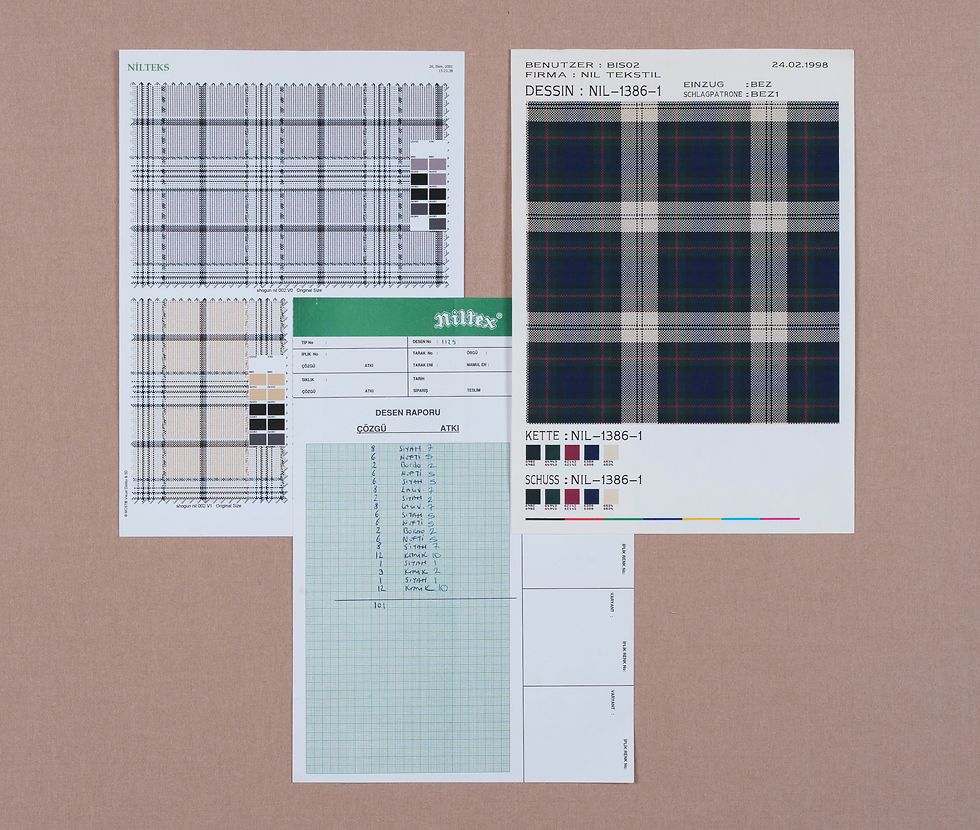
Certain weaving styles, plaid and tartan patterns for instance, are widely popular in flannel production. While flannel can be made in plaid patterns, flannel and plaid have different meanings.

Flannel vs. Plaid
Flannel and plaid often get mixed up. Flannel refers to a type of material, while plaid describes a pattern created through weaving. A plaid pattern can be woven into flannel fabric, though it's not always the case.
So, how exactly did this comfortable fabric come into existence?
Origins of Flannel Fabric

The exact origins of flannel remain somewhat obscure, but it's earliest version is thought to appear in Wales during 16th century. Despite being referred to as "Welsh cotton," it was derived from a coarse variety of wool. A defining characteristic of this early fabric was its distinctively napped surface, closely mirroring the feel and appearance of what is recognized as flannel today.
The French term "flanelle" saw common usage towards the end of the 17th century. Some scholars suggest that the word "flanelle" originated from the Welsh word "gwlanen," which translates directly to "wool." Later in the 18th century, the German equivalent "flannel" took its place and became the predominant term for the fabric.
Flannel gained popularity in the U.S. during the Civil War. It was a strong and affordable fabric, perfect for soldiers' coats and undershirts. In 1889, American entrepreneur Hamilton Carhartt started a textile factory focused largely on flannel fabric. After that, flannel shirts became a key workwear item for the American middle class.
How is Flannel Made
Once after the yarns are spun, then woven in plain, twill, or herringbone weaving, the fabric undergoes a process called napping.
Through the napping process, fine metal brushes brush the woven fabric, causing fibers to rise to the surface. Brushing results in distinctive softness and boosts insulation by trapping the air inside. It can be brushed on one or both sides, which affecs the texture and the level of warmth retention.
After napping, the fabric is washed, dyed, or pre-shrinked (sanforized) to add to its softness.
Historically, flannel was originally crafted from a high-quality, fine wool characterized by a short staple length. Over time, more textile manufacturers started using diverse fibers for flannel production. Today, flannel can be produced with a variety of fibers and fiber blends.
Types of flannel
Cotton Flannel
Cotton flannel is an excellent choice for shirts and pajamas, since it's soft and breathable. It's a very durable fabric type, showing higher resistancy to pilling compared to other flannel blends.
It weighs between 140-250 GSM, striking a good balance between comfort and resilience.
Wool Flannel
Wool flannel offers superb insulation, great breathability, and a graceful drape. It's widely used for workwear such as suits, jackets, and trousers.
It weighs between 260–350 GSM, standing out as a durabile and comfortable flannel variety.
Flannel Blends
Cotton and polyester blends are more affordable, and they don't easily wrinkle. They can endure routine washing without compromising their bright colors.
That's why they are a popular choice for uniforms and formal wear.
Properties and Applications of Flannel Fabric
Thanks to its comfort, warmth, and adaptability, flannel fabric opens up numerous possibilities.
The fabric's qualities make it suitable for multifunctional, everyday-wear work shirts and workwear designed for cold weather.
Its soft touch is ideal for pajamas, making flannel a great choice for sleep comfort.
When it comes to formal wear, the fabric is widely used for skirts, suits and trousers.
Soft, lightweight and warm flannel cardigans and sweaters are also increasingly popular in the modern fashion scene.
Parting Words
Flannel is a fabric you can count on for its comfort and quality. The fabric’s natural warmth and soft texture have increased its popularity throughout centuries. It is a key choice for those who appreciate quality classic textiles.


Comments